 EN
EN



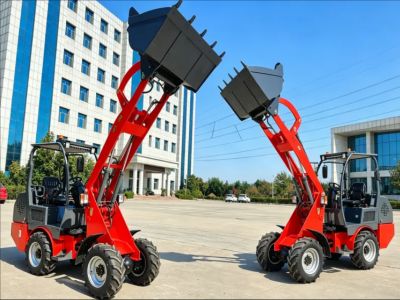
When it comes to construction and landscaping, choosing the right skid steer is very important. Skid steers are small machines that help lift and move heavy things. There are two main types: radial-lift and vertical-lift. Each type has its own strengths and weaknesses. This article will help you understand the differences and which type might be the best for your work. At Wonway, we know how essential it is to have the right tools for the job, and we want to share this knowledge with you.
What Are the Key Differences Between Radial-Lift and Vertical-Lift Skid Steers for Wholesale Buyers?
Radial-lift skid steers are great for jobs that need a lot of reach but not so much height. They lift things in a curved path. This means they are better for moving heavy items close to the ground and can work well in tight spaces. If you’re moving dirt, gravel, or even big rocks, a radial-lift skid steer can do that easily. They are usually less expensive and simpler to operate, making them a good choice for beginners or smaller jobs. On the other hand, vertical-lift skid steers are designed to lift straight up. This is perfect for jobs that require lifting materials high, like placing beams on a building site or stacking pallets in a warehouse. They offer more lifting height and can reach further out without tipping over. This means they are often used in construction where you need to lift heavy self loader higher. However, they can be pricier and might need more skilled operators. As a wholesale buyer, it’s crucial to think about what kinds of jobs you’ll be doing most. Will you be working in tight spaces or needing to lift things high up? Knowing this will help you choose the skid steer that fits your needs best.
How to Choose the Right Skid Steer Lift Type for Construction and Landscaping Projects
Choosing the right skid steer lift type depends on what you plan to do with it. For construction projects that involve lifting heavy materials like concrete or steel, a vertical-lift skid steer might be the best choice. They can reach high and give you the ability to work at different heights, which is often needed on job sites. However, if your projects are more about moving dirt, landscaping, or working in smaller areas, a radial-lift skid steer is often the better option. loader can maneuver easily, making it perfect for gardens or tight construction sites. Also, think about the terrain. If you work on soft ground or uneven surfaces, some skid steers handle that better than others. Another thing to consider is the weight of the loads you will be moving. If you often move heavy items, make sure the skid steer can handle the weight. At Wonway, we believe it’s also about comfort and ease of use. Look for features like good visibility, easy controls, and comfortable seating. You want a machine that you can use all day without feeling tired. Lastly, think about your budget. Sometimes spending a little more upfront for the right machine will save you money in repairs or inefficiencies later on. By carefully considering these factors, you can make an informed decision that will help your business grow and succeed.
A Comprehensive Guide
When it comes to construction and landscaping, choosing the right equipment is very important. One type of equipment that is often used is called a skid steer. Skid steers are small machines that can lift and move heavy things. They come in two main types: radial-lift and vertical-lift. Each type has its special features that can help workers depending on what they need to do. At Wonway, we believe it is important to understand these differences so you can pick the best machine for your job.
Radial-lift skid steers are great for lifting materials to a lower height. They have a curved lift path and can carry heavy loads close to the ground. This makes skid steer loader perfect for tasks like digging and moving dirt or gravel. They are also very good at moving materials in tight spaces, which is often the case in construction sites or small landscaping jobs. On the other hand, vertical-lift skid steers have a straight lift path. This means they can lift loads higher. They are better for jobs where you need to place materials on high surfaces, like loading trucks or stacking materials on tall pallets.
Both types of skid steers have their pros and cons. If you need to work in smaller areas or focus on digging tasks, a radial-lift skid steer may be the best choice. However, if your job requires lifting heavy loads high into the air, a vertical-lift skid steer would be more effective. At Wonway, we offer both types of skid steers to cater to different needs in construction and landscaping. Knowing the differences between these machines can help you make a smart choice.
What Wholesale Buyers Need to Know About Skid Steer Lift Capacities
When buying skid steers in bulk, it’s crucial to understand their lift capacities. Lift capacity means how much weight a skid steer can lift safely. At Wonway, we know that this is an important factor for anyone in construction or landscaping. You want to make sure that the machine can handle the materials you plan to use. If you choose a skid steer that can’t lift the weight you need, you could end up in trouble.
Radial-lift skid steers usually have lower lift capacities compared to vertical-lift skid steers. This is because of their design. They work best for lower lifting tasks. Wholesale buyers should also consider the lifting height. If you need to stack materials high, you will want a vertical-lift skid steer. They can lift heavy loads much higher, making them useful for loading trucks or placing materials on rooftops.
Another point to think about is the tipping weight. This is the amount of weight that a skid steer can handle before it tips over. It’s essential for safety. At Wonway, we recommend checking the tipping weight along with the lift capacity. You will want to make sure that the skid steer you choose can handle the weight and keep your workers safe.
Finally, don’t forget about attachments. Skid steers can use different attachments like buckets, forks, and grapples. Some attachments can change how much weight a skid steer can lift. Make sure to ask about the best attachments for your needs. Understanding lift capacities will help you make the right choices when purchasing skid steers in bulk for your business.
How to Maximize Efficiency with Radial-Lift and Vertical-Lift Skid Steers
Maximizing efficiency with skid steers is all about using them correctly. Both radial-lift and vertical-lift skid steers can help you work faster and smarter. At Wonway, we want to share some tips on how to get the most out of these machines.
First, it's important to match the skid steer to the job. If you are working in tight spaces or need to dig, a radial-lift skid steer will be more efficient. On the other hand, if you have to lift materials high, a vertical-lift skid steer is the better choice. Knowing what each machine does best will help you accomplish your tasks more quickly.
Second, regular maintenance is key to keeping skid steers running smoothly. Check the oil, filters, and tires often. If you notice any problems, fix them right away. This will prevent bigger issues that could slow you down. A well-maintained machine will work better and last longer, saving you time and money.
Also, train your team on how to use the skid steers properly. Understanding how to operate the machines safely and efficiently can make a big difference in productivity. Encourage your workers to take their time and not rush. Rushing can lead to mistakes or accidents, which can be costly.
Finally, plan your work wisely. Make a list of tasks and organize them so you can use the skid steer for multiple jobs in one trip. This will save fuel and time. At Wonway, we believe that with the right planning and understanding of your equipment, you can maximize efficiency and get the best results from your construction and landscaping projects.
Table of Contents
- What Are the Key Differences Between Radial-Lift and Vertical-Lift Skid Steers for Wholesale Buyers?
- How to Choose the Right Skid Steer Lift Type for Construction and Landscaping Projects
- A Comprehensive Guide
- What Wholesale Buyers Need to Know About Skid Steer Lift Capacities
- How to Maximize Efficiency with Radial-Lift and Vertical-Lift Skid Steers