 EN
EN



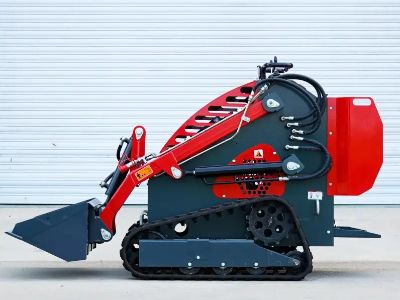
How to Maintain Your Skid Steer and Reduce Repair Costs
Proper maintenance is essential for extending the lifespan of your equipment and minimizing unexpected repair expenses. A well-maintained operates more efficiently, experiences fewer breakdowns, and delivers reliable performance on the job site. By following a consistent maintenance routine and addressing small issues early, owners can avoid costly repairs and maximize equipment productivity.
How Can You Implement a Cost-Effective Skid Steer Maintenance Routine?
Creating a maintenance schedule is one of the most effective ways to keep your machine operating smoothly. Start by reviewing the manufacturer's maintenance guidelines, which provide recommended service intervals and inspection procedures.
Engine oil should be checked regularly and replaced according to the recommended schedule. Clean oil helps reduce engine wear and improves overall performance. Tire inspections are equally important. Damaged or worn tires can affect stability, traction, and safety during operation.
The air filter should also be inspected frequently. A clean air filter allows the engine to receive adequate airflow, improving fuel efficiency and reducing strain on engine components.
Hydraulic fluid is another critical element. Low or contaminated hydraulic fluid can negatively affect lifting and operating functions. Replacing hydraulic fluid at recommended intervals helps prevent expensive hydraulic system repairs.
Battery maintenance should not be overlooked. Inspect battery terminals for corrosion and ensure all connections remain secure. Replacing aging batteries before failure can prevent unexpected downtime.
Finally, keeping the machine clean is a simple but effective maintenance practice. Removing mud, debris, and dirt helps prevent premature wear and allows operators to identify potential issues more easily.
Creating a maintenance checklist and setting regular reminders can help ensure that important inspections are never missed.
Where Can You Find the Best Skid Steer Maintenance Tips for Reducing Repair Costs?
There are many valuable resources available for equipment owners looking to improve maintenance practices. Online forums, industry websites, and equipment maintenance blogs often provide practical advice from experienced operators and technicians.
Video tutorials can be especially helpful for learning maintenance procedures. Many instructional videos demonstrate step-by-step servicing techniques, making it easier for owners to perform routine inspections and minor repairs.
Local equipment owner groups and professional communities can also provide valuable insights. Experienced operators often share maintenance strategies, troubleshooting advice, and recommendations based on real-world experience.
Industry workshops, training programs, and equipment maintenance seminars offer opportunities to learn directly from professionals. These educational resources can help owners develop the skills needed to keep their equipment operating efficiently.
The more knowledge operators gain about maintenance, the easier it becomes to identify issues early and avoid unnecessary repair costs.
What Wholesale Skid Steer Parts Should You Keep on Hand for Quick Repairs?
Maintaining an inventory of commonly used replacement parts can significantly reduce downtime when repairs are needed.
Air filters and oil filters are among the most frequently replaced components. Keeping spare filters available allows routine maintenance to be completed without delays. loader
Hydraulic hoses are another important item to stock. Because they operate under high pressure, hoses can occasionally wear out or become damaged. Having replacements available can help restore equipment operation quickly.
Drive belts should also be included in a spare parts inventory. Worn or broken belts can affect engine performance and machine functionality.
Tires are another critical component. Having access to spare tires can help minimize disruptions caused by punctures or excessive wear.
In addition to replacement parts, operators should maintain a basic set of tools, including wrenches, sockets, and screwdrivers, for performing routine maintenance and emergency repairs.
Keeping these essential parts available allows operators to respond quickly to unexpected issues and reduce costly downtime.
Where Can You Source Quality Skid Steer Maintenance Products for Your Fleet?
Selecting high-quality maintenance products is essential for protecting equipment performance and longevity.
Local equipment dealers and industrial supply stores often carry maintenance products designed specifically for compact construction equipment. These suppliers can also provide guidance on selecting the right fluids, filters, and replacement components.
Online suppliers offer access to a wider selection of maintenance products. Before making a purchase, review product specifications and customer feedback to ensure quality and compatibility.
Professional equipment networks and owner communities can also provide recommendations for trusted suppliers and maintenance products.
Many suppliers offer newsletters and promotional programs that provide access to discounts and special pricing on maintenance supplies. Taking advantage of these opportunities can help reduce operating costs while maintaining equipment quality.
How Can a Maintenance Checklist Maximize Skid Steer Performance?
A structured maintenance checklist helps ensure that all critical systems receive regular attention. Routine inspections can identify developing issues before they become major problems.
Start by checking engine oil, coolant levels, and hydraulic fluid. Maintaining proper fluid levels helps prevent overheating and supports efficient machine operation.
Inspect tires or tracks regularly for signs of wear or damage. Addressing these issues early helps maintain safe operation and optimal performance.
Battery terminals should be cleaned periodically to prevent corrosion and ensure reliable starting performance. Air filters should also be cleaned or replaced as needed to maintain proper airflow and engine efficiency.
Belts, hoses, and hydraulic connections should be inspected for cracks, leaks, or excessive wear. Replacing worn components before failure can prevent more extensive repairs.
Regular use of a maintenance checklist not only improves equipment reliability but also extends the service life of your loader. Consistent preventive maintenance helps ensure that every skid loader remains productive, safe, and ready for demanding work environments.
By investing time in routine inspections and servicing, equipment owners can significantly reduce repair expenses, improve efficiency, and maximize the long-term value of their machinery.
Table of Contents
- How Can You Implement a Cost-Effective Skid Steer Maintenance Routine?
- Where Can You Find the Best Skid Steer Maintenance Tips for Reducing Repair Costs?
- What Wholesale Skid Steer Parts Should You Keep on Hand for Quick Repairs?
- Where Can You Source Quality Skid Steer Maintenance Products for Your Fleet?
- How Can a Maintenance Checklist Maximize Skid Steer Performance?