 EN
EN



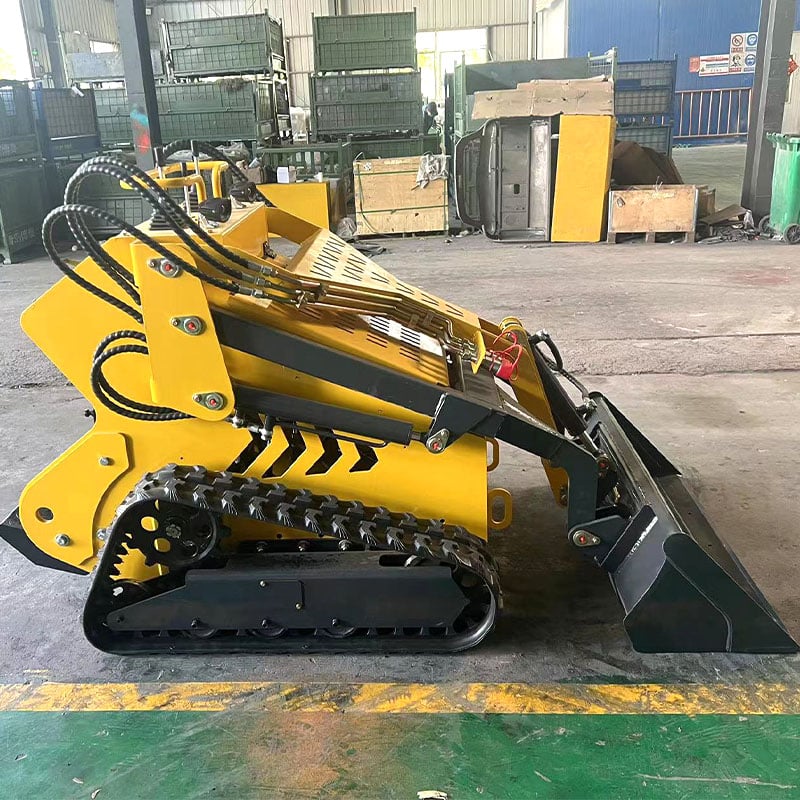
Skid-steer excavators are important machines used in many construction and landscaping jobs. They help lift, dig, and move heavy materials quickly. These machines rely on hydraulic systems to work properly. When something goes wrong with the hydraulics, it can cause big problems. That’s why it’s important to know how to spot these issues and keep your skid-steer excavator running smoothly.
How to Identify and Troubleshoot Common Hydraulic Problems in Skid-Steer Excavators
Identifying hydraulic problems in skid-steer excavators can be tricky, but there are signs you can look for. One common issue is slow movement or weak power. If your machine is not lifting or moving as it should, it might have low hydraulic fluid. Check the fluid level regularly, and fill it up if it’s low. Another sign is strange noises, like grinding or whining sounds. These can mean there is a problem with the pump or the hoses. If you hear these noises, it’s important to stop using the machine right away. Continuing to operate it can cause more damage. Also, look for leaks. If you see fluid on the ground or around the hoses, that’s a clear sign of a leak.
How to Extend the Lifespan of Your Skid-Steer Excavator with Proper Maintenance
Taking care of your skid-steer excavator can help it last longer and work better. One of the best ways to do this is through regular maintenance. Start by checking the hydraulic fluid often, making sure it’s always at the right level and clean. Dirty fluid can hurt the machine, so it’s smart to change it as needed. Also, remember to inspect the hoses and fittings for cracks or wear. If they look damaged, replace them quickly. Keeping the filters clean is another important step. A clean filter helps the hydraulic system work smoothly. It can also prevent dirt from entering the system, which can cause serious issues over time. Look at the machine’s manual for advice on how often to change the fluid and filters. It’s also good to make time for a full inspection every few months.
What to Know Before You Buy
Before you buy a skid-steer excavator, there are some important things you need to think about. First, it's helpful to know what a skid-steer excavator is. This machine is like a small bulldozer. It can dig, lift, and move dirt or other materials. It is very useful for construction sites or farms. When you are choosing a skid-steer excavator, you should think about the size and power. A bigger machine can do more work, but it may also be harder to move around. Make sure the machine can handle the types of jobs you need it for. Another important thing to consider is the hydraulic system. The hydraulic excavator helps the machine lift heavy loads and dig into the ground. If the hydraulic system is not strong or reliable, you might run into problems later.
Where to Source Affordable Hydraulic Components for Skid-Steer Excavators
Finding affordable hydraulic excavator machine for your skid-steer excavator is very important for keeping your machine running smoothly. Hydraulic components are parts that help the machine lift and move heavy materials. If any of these parts break, it can be expensive to fix. One good place to start looking for affordable parts is local hardware stores. Many of these stores sell hydraulic components, and you can often find good prices. Another option is to check online. There are many websites that sell hydraulic parts at lower costs. Just make sure to read reviews to ensure you are buying from trusted sellers. You can also visit junkyards or places that sell used machinery. Sometimes, you can find good-quality used hydraulic parts that are much cheaper than new ones. When shopping for parts, it is also helpful to compare prices between different places.
How Routine Maintenance Can Save You Money on Skid-Steer Excavator Repairs
Routine maintenance is very important for keeping your skid-steer excavator in good shape. When you take care of your machine, it will work better and last longer. This can help you save money on repairs in the long run. Regular maintenance includes things like checking the hydraulic diggers cleaning filters, and inspecting hoses for leaks. If you do these things often, you can catch small problems before they become big ones. For example, if you notice that the hydraulic fluid is low, you can add more before it causes damage to the machine. It is also a good idea to keep an eye on the filters. Dirty filters can make the machine work harder, which can lead to wear and tear. By cleaning or replacing filters regularly, you help your machine run smoothly. Another part of routine maintenance is checking the hydraulic hoses.
Table of Contents
- How to Identify and Troubleshoot Common Hydraulic Problems in Skid-Steer Excavators
- How to Extend the Lifespan of Your Skid-Steer Excavator with Proper Maintenance
- What to Know Before You Buy
- Where to Source Affordable Hydraulic Components for Skid-Steer Excavators
- How Routine Maintenance Can Save You Money on Skid-Steer Excavator Repairs