 EN
EN



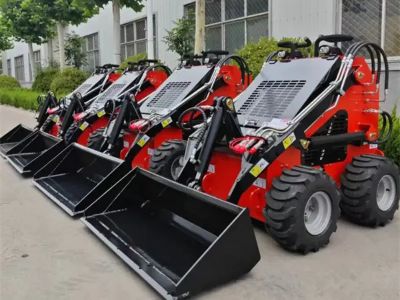
When using a skid steer, it's super important to know how much weight it can safely handle. This weight limit is known as the Rated Operating Capacity (ROC). If you load too much on the skid steer loader, it can tip over or break. That’s not safe for anyone! At Wonway, we understand that safety is key. Knowing the ROC helps you avoid accidents and keeps your work running smoothly. Always check the ROC before starting your task to ensure you are within safe limits.
Where to Find Reliable Resources for Determining Skid Steer Operating Capacity?
Finding trustworthy resources to check the operating capacity of a skid steer is not hard. First, the user manual that comes with the skid steer is a great place to start. This manual usually has all the important numbers and details about the machine. It tells you how much weight it can carry and gives you tips for safe operation. If you don’t have the manual, you can often find it online by searching for your skid steer’s brand and model. Another good resource is the manufacturer's website. Companies like Wonway often provide helpful information about their machines, including ROC. Also, talking to people who work with skid steer excavator can help. They can share their experiences and tips about safe usage. Local equipment rental stores are also a good source. They know a lot about different machines and can help you understand what to look for. You can also find safety courses and workshops in your area. These are often run by experts and can teach you about operating capacity and other important topics. Online forums and groups for equipment operators can be useful too. People share their knowledge and can answer your questions. Remember, it’s always better to ask if you’re unsure about something. Safety is the most important thing when working with heavy machinery.
What Factors Influence the Rated Operating Capacity of Skid Steer Equipment?
Several things can affect how much weight a skid steer can safely carry. One big factor is the machine's design. Different models have different shapes and sizes, which can change their stability. For example, a wider skid steer might be more stable than a narrow one, allowing it to carry more weight without tipping over. The weight of the attachments you use also matters. If you attach a heavy bucket or forks, it can change the ROC. So, when using attachments, always consider their weight in relation to the skid steer's total capacity. The surface you’re working on plays a role too. If you’re on a steep hill or soft ground, the skid steer may not be able to handle as much weight safely. It's best to operate on flat, solid ground whenever possible. Weather conditions can influence stability too. Rain or mud can make surfaces slippery, making it harder to control the skid steer. Lastly, the operator's skill level matters. A well-trained person will know how to handle the machine better than someone who is new to it. Proper training and experience can help avoid accidents. At Wonway, we encourage everyone to learn as much as they can about operating their equipment safely. Understanding these factors will help you make smart choices and keep your worksite safe.
How to Choose the Right Skid Steer Based on Rated Operating Capacity for Your Business?
Choosing the right skid steer for your work is very important. The rated operating capacity, or ROC, tells us how much weight the machine can safely lift and carry. When you look for a skid steer, you want to make sure its ROC matches your needs. For example, if you plan to lift heavy materials like bricks or large rocks, you need a skid steer grader attachment with a high ROC. If you only need to move dirt or light materials, a smaller one might be enough. At Wonway, we have different models that can fit any job.
To find the right skid steer, first, think about what you will be doing. Write down the heaviest things you will lift and how often you will use the machine. This will help you choose the right ROC. You can also ask for help from people who know about skid steers, like our team at Wonway. They can explain which model would work best for you.
Another thing to consider is the size of the area where you will work. If you have a small job site, a compact skid steer might be better because it can fit in tight spaces. Larger models are good for big jobs but can be harder to move around. Always check the ROC listed in the skid steer's manual. This way, you will know exactly how much weight you can safely lift. Remember, picking the right skid steer is not just about power; it’s also about safety and doing your job well.
How to Ensure Safe Daily Operations with Accurate Rated Capacity Calculations?
To make sure you are safe when using a skid steer, it is important to do accurate calculations of its rated capacity every day. Before you start working, always check the machine and make sure it is in good condition. Look for any signs of damage or wear. After that, you should know how much weight you plan to lift. This includes the weight of the materials and any tools you might use. At Wonway, we recommend using a scale to weigh heavy loads. This way, you can be sure you are not exceeding the ROC of the skid steer.
It’s also a good idea to keep a log of your loads. Write down how much weight you lifted each day. This can help you see any patterns and make better decisions in the future. If you notice that you are often lifting close to the ROC, it might be time to consider a larger skid steer.
Training is another important part of safe operations. Make sure everyone who will use the skid steer understands how to read the ROC and knows the limits. At Wonway, we offer training sessions to help operators learn the best practices for using a skid steer safely. Always remember to wear safety gear and be aware of your surroundings. Safe operations start with good planning and understanding of the machine you are using.
What Are the Best Practices for Maintaining Safe Load Limits on Skid Steers?
Maintaining safe load limits on skid steers is very important for safety and efficiency. First, always know your skid steer’s rated operating capacity, or ROC. This information is usually found in the operator’s manual or on a label attached to the machine. It is critical to never exceed this limit. If you do, you risk tipping over or damaging the machine. At Wonway, we remind our customers always to check this limit before starting any job.
Using a scale can help you keep track of how much weight you are lifting. If you are unsure about the weight of a load, it is better to weigh it first. This can prevent accidents and ensure your skid steer is working within its limits. Another good practice is to distribute the load evenly. If the weight is not balanced, it can cause the skid steer to tip over. When loading materials, make sure they are centered and secure.
Regular maintenance is also key to ensuring your skid steer stays safe to operate. Check the tires, hydraulic system, and other moving parts often. If something seems off, get it fixed before using the machine again. At Wonway, we recommend setting a regular maintenance schedule so you never forget. Finally, always train everyone who uses the skid steer. They should know how to operate it safely and understand the importance of load limits. Following these best practices will help you work safely and efficiently with your skid steer.
Table of Contents
- Where to Find Reliable Resources for Determining Skid Steer Operating Capacity?
- What Factors Influence the Rated Operating Capacity of Skid Steer Equipment?
- How to Choose the Right Skid Steer Based on Rated Operating Capacity for Your Business?
- How to Ensure Safe Daily Operations with Accurate Rated Capacity Calculations?